Lead Poisoning Prevention
Lead is a toxic metal used in a variety of products and materials, including paint, vinyl mini-binds, pipes, leaded crystal, dishware, and pottery coatings. When lead is absorbed into the body, it can cause serious damage to vital organs like the brain, kidneys, nerves, and blood cells. Lead poisoning is especially harmful to children under the age of six.
Health Effects of Lead Poisoning
Lead interferes with the development and functioning of almost all body organs, particularly the kidneys, red blood cells, and central nervous system.
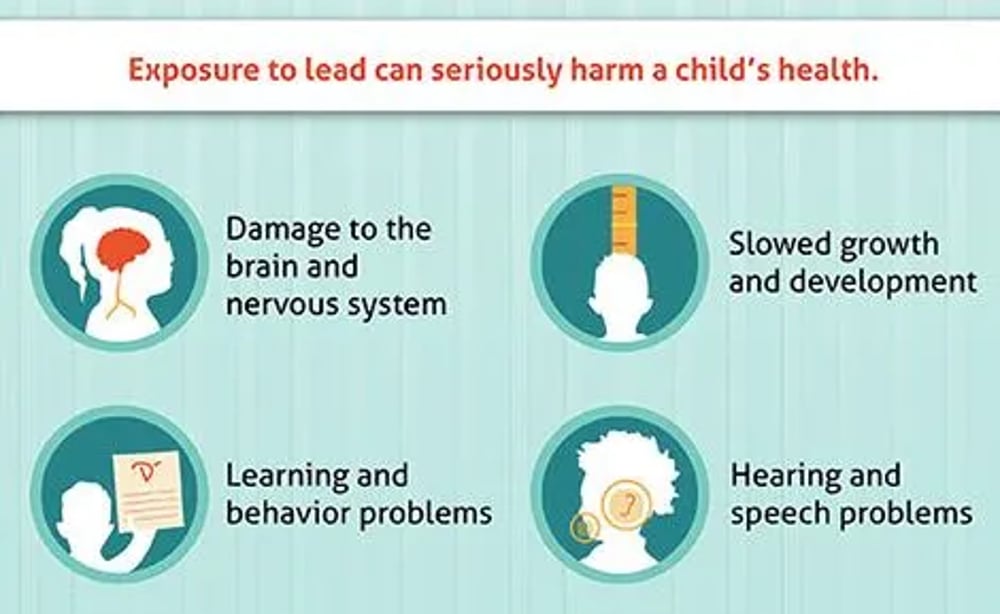
Lead poisoning is much more serious when children are exposed to lead. Since their bodies are not fully developed, lead poisoning can cause:
– Brain, liver and kidney damage
– Slowed development
– Learning or behavior problems
– Lowered intellect (or IQ)
– Hearing loss
– Restlessness
Preventing Lead Poisoning
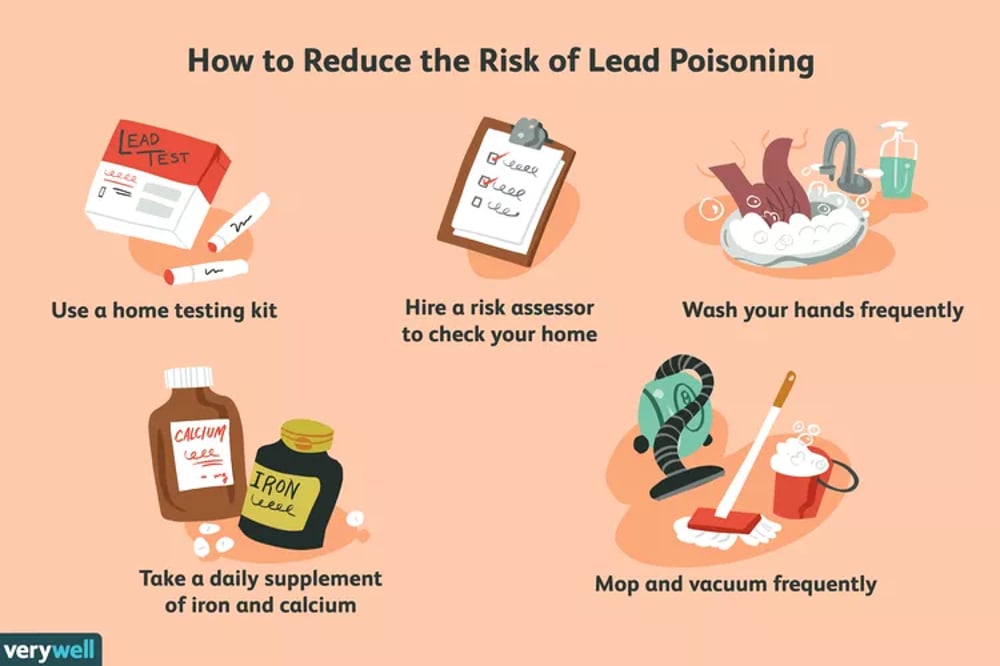
Since treatment options for lead poisoning are limited, it’s best to prevent lead poisoning before it has a chance to occur. Lead poisoning is preventable with proper:
Nutrition
Serve children foods with a high content of iron (such as eggs, cooked beans or red meats), calcium (such as cheese, yogurt, or cooked greens) and vitamin C (such as citrus fruits, green peppers or tomatoes. Adequate intake of these nutrients minimize lead absorption in children’s bodies.
Housekeeping
Teach and practice healthy home habits, such as hand-washing before eating and sleeping, shoe removal, washing children’s toys or other chewable surfaces, purchasing “lead-free” mini-blinds, and wet mopping and drying floors and surfaces. Hire a certified professional to safely remove lead sources from home. Make sure children and pregnant women do not stay inside a home when renovations are underway.
Personal Care
Wash your hands and your children’s hands frequently, especially before eating and sleeping.